
Master the Art of Knife Sharpening for Bushcraft
Learn how to sharpen a bushcraft knife safely using whetstones, diamond stones and strops. A complete guide for Scouts covering sharpening angles, techniques, safety and maintenance.
Sharpen Your Skills, Enhance Your Safety
Safe Sharpening for Scouts for Outdoor Skills
Discover the essential techniques for keeping your knife sharp and your adventures safe.
Knife Sharpening for Bushcraft
A sharp knife is one of the safest and most effective tools in bushcraft. A dull blade requires more force to cut, making it more likely to slip and cause injury. Regular sharpening and maintenance will keep your knife performing efficiently whether you're carving, preparing feather sticks, making tent pegs or processing food around camp.
For Scouts, knife sharpening should always be carried out under appropriate supervision and in accordance with your group's knife safety rules.
Key Features of Knife Maintenance and Sharpening
Explore the essential techniques for maintaining a sharp and reliable knife in bushcraft.
Knife Blade State
- Honing: Realigns a bent or folded edge. It should be done before or after every use on a Steel, Extra Fine Stone or Ceramic.
- Sharpening: Shaves off metal to create a brand-new, sharp edge. This is done much less frequently, typically once or twice a year using Whetstones Wet and Dry Sandpaper Board or mechanical sharpeners.
Honing Your Knife
Honing is the process of realigning a blade's microscopic edge without removing any metal.
- Hone your knife before or after every major use, when carving helps keep the finish of your project.
- Hone when the blade starts to slightly slide off smooth surfaces like your thumbnail.
Using Whetstones
Sharpening a knife with a whetstone involves soaking the stone, maintaining a consistent angle that depends on the knife, remove from one side until a microscopic metal burr forms along the opposite side of the blade before switching sides. Grades and use:
- Coarse (150–220) fixing minor dings
- Medium Coarse (220-300) fixing minor dings
- Fine (600–1000) general sharpening
- Extra Fine (1000-2000) For honing
- Extremely Fine (2000–6000) finishing
- Near Mirror (6000–10,000) micro-finishing polishing
- Mirror Polish (10,000+) mirror look polishing
Using A Wet and Dry Sandpaper Board
Wet and Dry Sandpaper Sheets: You will need a variety of grits.
- 320 to 400 grit: For fixing minor dings or resetting a very dull edge.
- 600 to 1,000 grit: For general sharpening and establishing the main edge.
- 1,500 to 2,000+ grit: For honing, micro-finishing, and polishing.
Lubricant: A small spray bottle of water or window cleaner works well.
For the "Scary Sharp" method, use silicon carbide automotive sandpaper secured to a perfectly flat board or quartz workstop samples are great, mimic traditional sharpening stone serface by glueing it flat.
You can use angle guids if you need to sharpen a knife without a flat grind.
Sharpening a crook knife (or hook knife)
Sharpening a crook knife (also known as a hook knife) involves maintaining both the inner curved bevel and the outer flat edge. The inner curve is best sharpened using curved abrasives, such as wet-and-dry sandpaper wrapped around a wooden dowel or shaped mandrel.
Always move the abrasive away from the cutting edge to prevent it from catching or damaging the blade, while ensuring a smooth, controlled sharpening action.
Sharpening an Axe
A sharp axe is safer, easier to control, and far more efficient than a dull one. To sharpen an axe, secure the axe firmly and use an axe file or sharpening stone or Puck, following the existing bevel angle.
Avoid grinding away excessive metal or changing the factory bevel angle, as this can weaken the cutting edge and reduce the axe's performance by making it stick.
Knife Sharpening FAQs
Here are some common questions about knife sharpening and safety for scouts, along with our expert answers.
How often should I sharpen my knife?
It depends on usage, but generally, you should sharpen your knife after every few uses or when you notice it becoming dull.
What is the best angle for sharpening a knife?
The ideal sharpening angle depends on the thickness of your blade, its intended use, and the type of grind it has. In bushcraft, the Scandi (Scandinavian) grind is the most popular because it is easy to sharpen in the field and excels at woodworking tasks such as carving, feather sticks and making tent pegs.
Typical sharpening angles include:
| Grind Type | Typical Angle | Best For |
|---|---|---|
| Scandi Grind | 22–27° inclusive (11–13.5° per side) | Bushcraft, carving, woodworking |
| Flat Grind | 30–40° inclusive (15–20° per side) | General outdoor use |
| Convex Grind | Approximately 30–40° inclusive | Heavy-duty chopping and durability |
| Hollow Grind | 30–36° inclusive | Fine slicing and hunting knives |
Can I use a kitchen knife sharpener for my bushcraft knife?
While possible, it's best to use a sharpening stone for bushcraft knives.
Knowing the condition of your knife's edge will help you decide whether it needs honing or sharpening.
Hone the Blade When…
Honing realigns the very fine edge of the blade without removing much metal. It is part of regular knife maintenance and should be done frequently.
What safety precautions should I take while sharpening?
Always ensure your workspace is stable, keep your fingers clear of the blade, and focus on the task to avoid accidents.
Why is a sharp knife safer than a dull one?
A sharp knife requires less force to cut, reducing the risk of slipping and causing injury.
Learn More About Knife Safety
Knife sharpening Teaching Resources
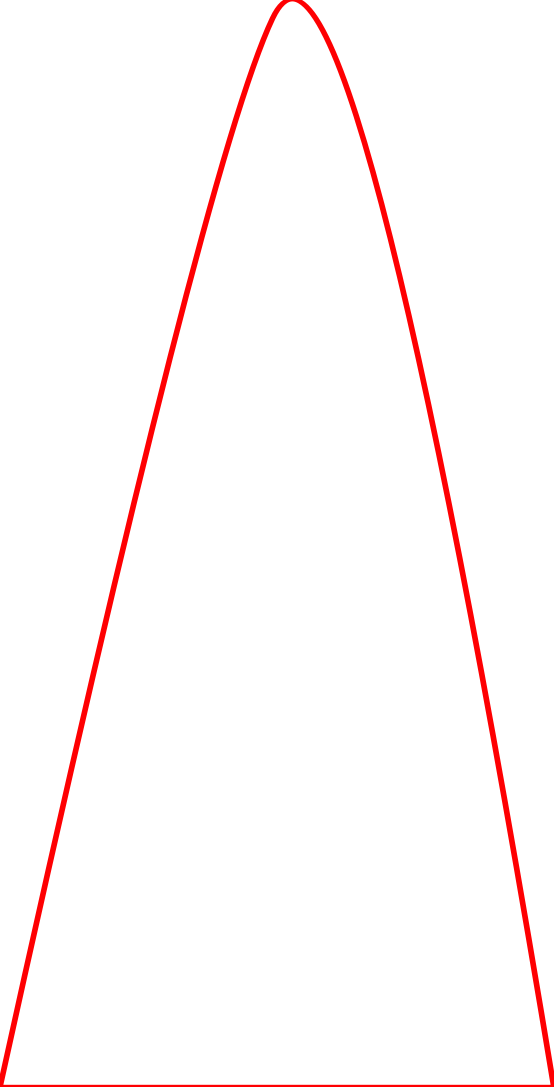
Knife Blade That Needs Sharpening
Save and import into Lazer and cut out this shape used to teach what the plade that needs sharpening looks like and why honeing will not work when it gets to this state.
Right Click and Safe import and Cut Out.
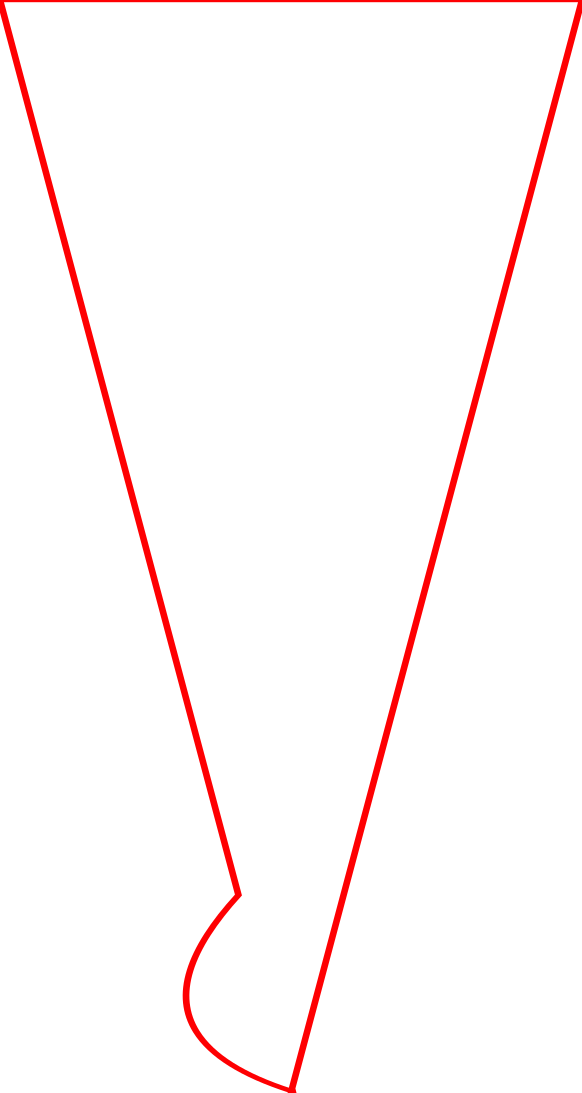
Knife Burr Demo Template
Raising a burr (often referred to as a wire edge) is the most critical milestone in knife sharpening. It is a microscopic flap of metal that forms along the edge of the blade, proving that you have successfully ground away enough steel to perfectly meet both sides of the bevel.
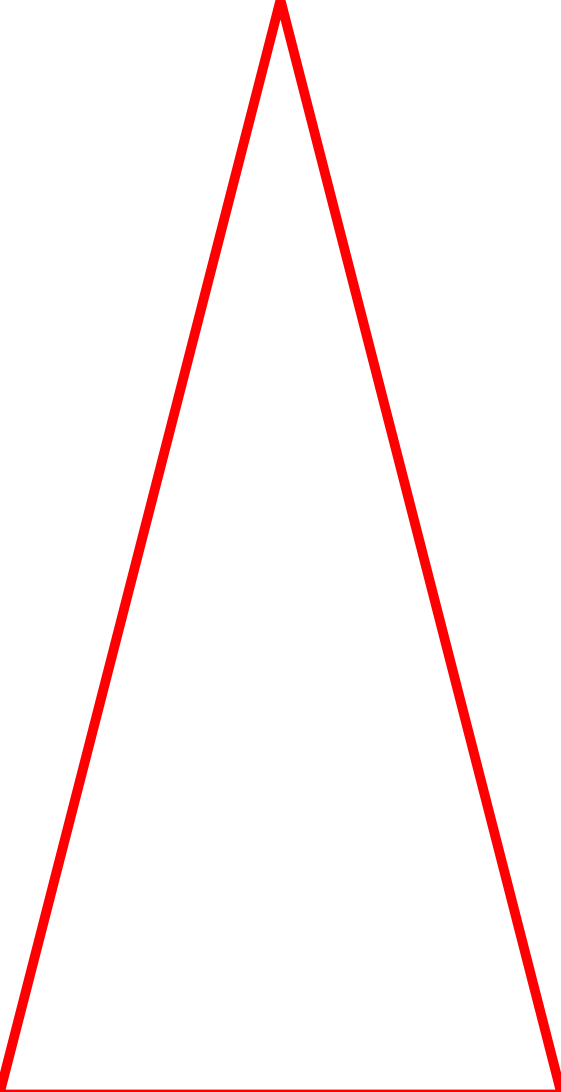
Good Blade Just Hone to Maintain
Using Tormek PA-70 paste on a leather strop is an excellent way to maintain your knife's edge. It quickly removes the microscopic burr and polishes the blade to a razor-sharp, mirror finish without taking away excess steel
Other Links
Scouing Links
Location: Essex